[Opinion] Samsung Electronics Strike: A Path to Mutual Destruction and a Breach of ‘Economic Security’
Samsung Electronics, the heart of the South Korean economy and a linchpin of the global semiconductor supply chain, is facing an unprecedented general strike. While the right to collective action is a constitutionally protected labor right, the current internal and external environment surrounding Samsung is far too grave to be dismissed as a mere labor-management dispute. We must examine why this strike is a catastrophic scenario for the national economy, focusing on two critical pillars: economic impact and global credibility.
1. A Heart That Cannot Stop: The Risk of a National ‘Economic Shutdown’
Samsung Electronics accounts for approximately 20% of South Korea’s total exports, and the semiconductor industry sustains 38% of the national economy. A halt in its production is not just a business disruption; it is a national emergency.
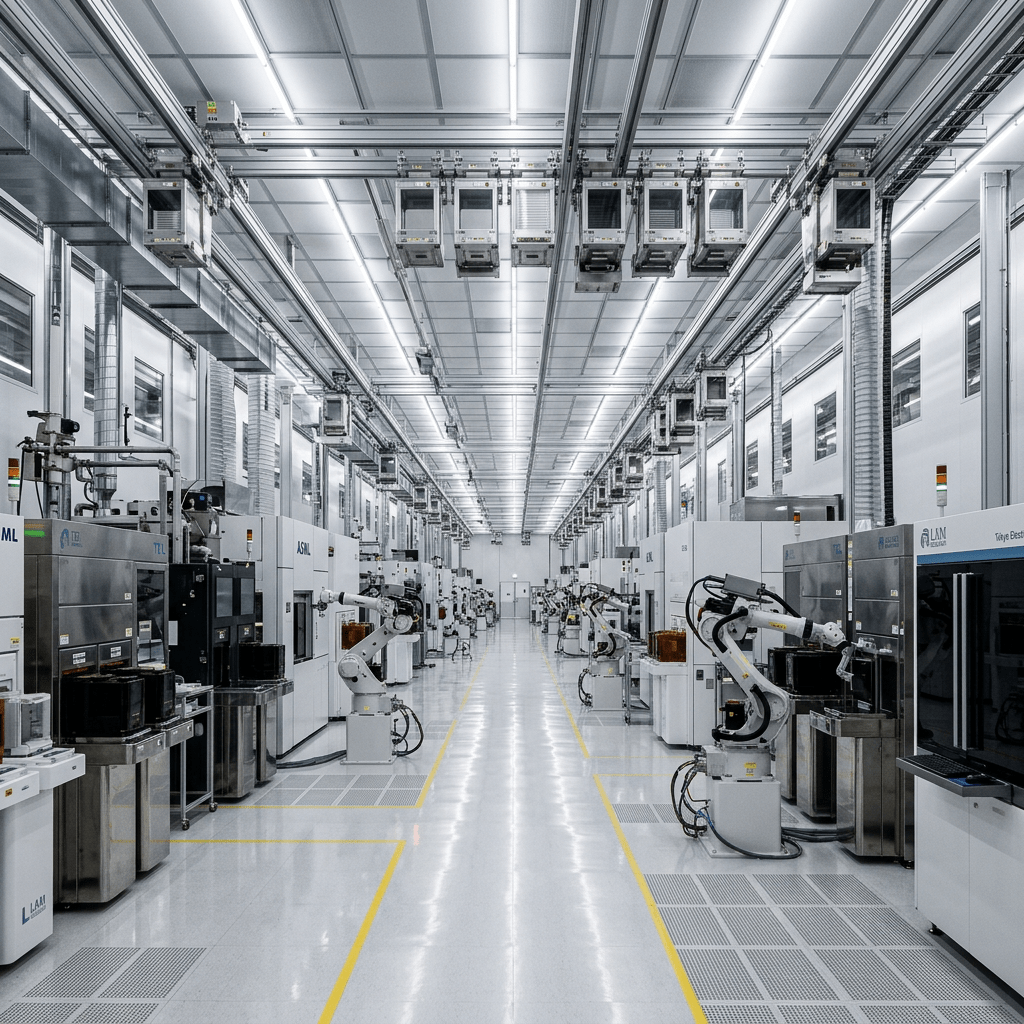
- Astronomical Opportunity Costs and the Nature of Continuous Processing: Semiconductor manufacturing is a “continuous process” that cannot stop for even a single second, 365 days a year. If the lines stop even once, hundreds of thousands of wafers currently in production must be scrapped immediately. Industry analysts estimate that an 18-day strike could cause a production vacuum and losses of up to KRW 30 trillion (approx. USD 22 billion).
- The Domino Effect on the Industrial Ecosystem: A shutdown at Samsung will ripple through thousands of domestic suppliers. This will aggravate management difficulties for SMEs (Small and Medium Enterprises), trigger job insecurity, and ultimately act as a trigger for negative growth in the national GDP.
2. Permanent Loss of ‘Global Trust’ as an Intangible Asset
In the semiconductor business, “supply stability” is as vital as technological prowess. Global big-tech giants like NVIDIA and Apple partner with Samsung because of their faith in Samsung’s overwhelming manufacturing capacity and ability to meet deadlines.
- Loss of Irreplaceability and Competitors’ Gains: The current AI semiconductor (HBM) market is a fierce “war of speed.” The moment Samsung is branded as having an unstable supply chain due to strikes, customers will immediately turn to competitors (SK Hynix, Micron, TSMC) for risk management. Once lost, customer trust and market share are notoriously difficult and costly to regain.
- Aggravating the ‘Korea Discount’: Global investors often cite “militant labor unions” as a chronic risk for South Korean companies. The spectacle of even Samsung Electronics wavering due to internal conflict encourages the flight of foreign capital and fundamentally devalues the entire South Korean stock market.
Conclusion: ‘Responsibility’ Must Precede ‘Rights’
We live in an era where countries worldwide define semiconductors as national security assets and engage in all-out subsidy wars. At such a critical juncture, the decision of high-income employees—with average annual salaries around KRW 150 million—to take the national strategic industry hostage over bonus calculation methods cannot escape the criticism of “collective selfishness.”
If the resources meant for future R&D and infrastructure investment are depleted to meet labor demands, it will eventually return as a boomerang, threatening the company’s survival and the very jobs of the workers. What both labor and management need now is not a headband of struggle, but a drastic compromise based on the desperate realization that “without coexistence, there is only mutual destruction.” We must not commit the folly of tearing down the levees of our own economic security.
 sinhovision
댓글 남기기